YEARS
of Marburg University
Half a millennium of academic excellence, innovation and civic engagement.
Celebrate with us!
Marburg University will celebrate its 500-year anniversary in 2027. Since its founding in 1527 it has shaped research and teaching far beyond the borders of Hesse.
News
To all newsEvents
To the event calendar
Projects
To all projectsMarburg knowledge spaces
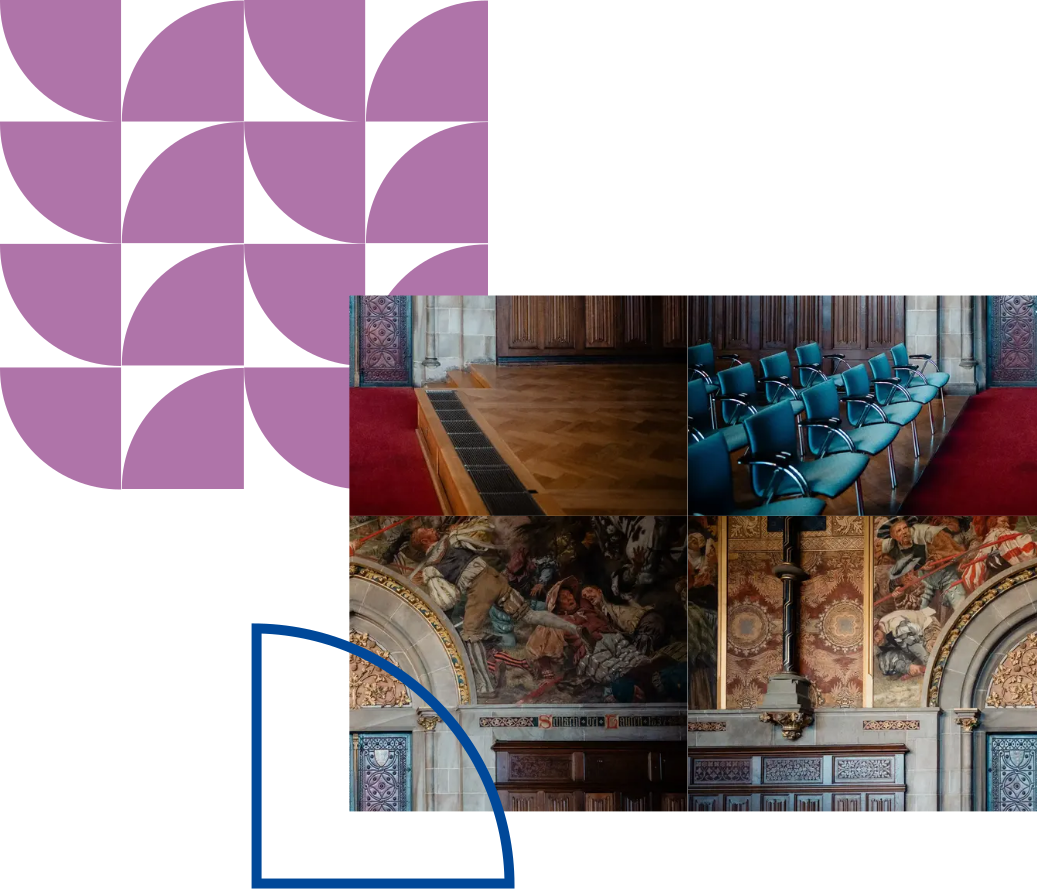
How has the architecture of Marburg University developed over the centuries? And what can it tell us about research, teaching, student life and architecture?
Philipps Fanfaren
25,000 people, 25,000 soundscapes. Philipps Fanfaren is an electronic piece built from material drawn from the university, and it can be updated semester by semester.
Celebratory flags 2027
For the university's 475-year anniversary in 2002, flags and banners decorated the streets of Marburg. For the 500-year anniversary in 2027, students at the Institute of Fine Arts have designed celebratory flags once again, picking up where that project left off.

500 Year Timeline – Discover highlights from the fascinating history of Philipps University of Marburg.





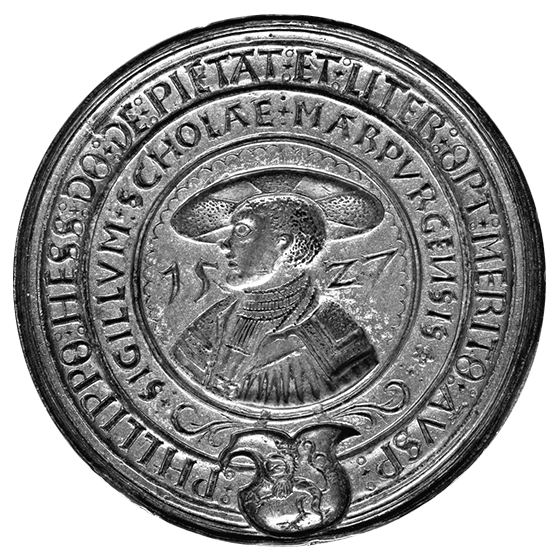
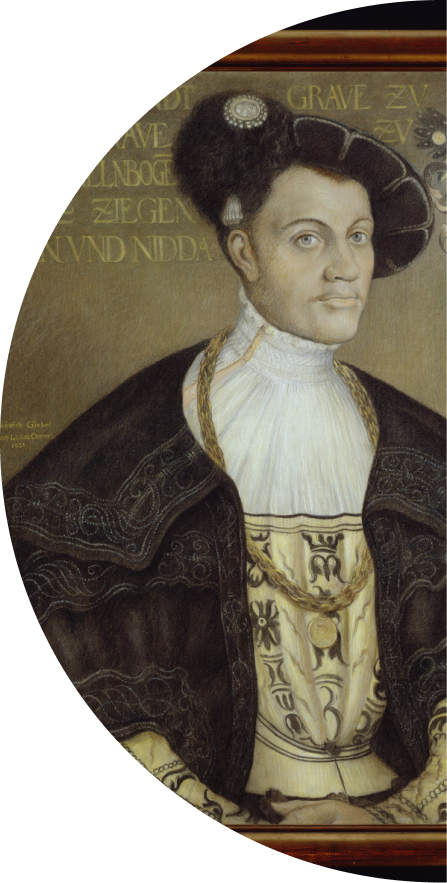
Founding of the university
Landgrave Philip the Magnanimous of Hesse founds a university in Marburg with four faculties: theology, law, medicine and philosophy. It is the oldest Protestant university in the world still in existence today.

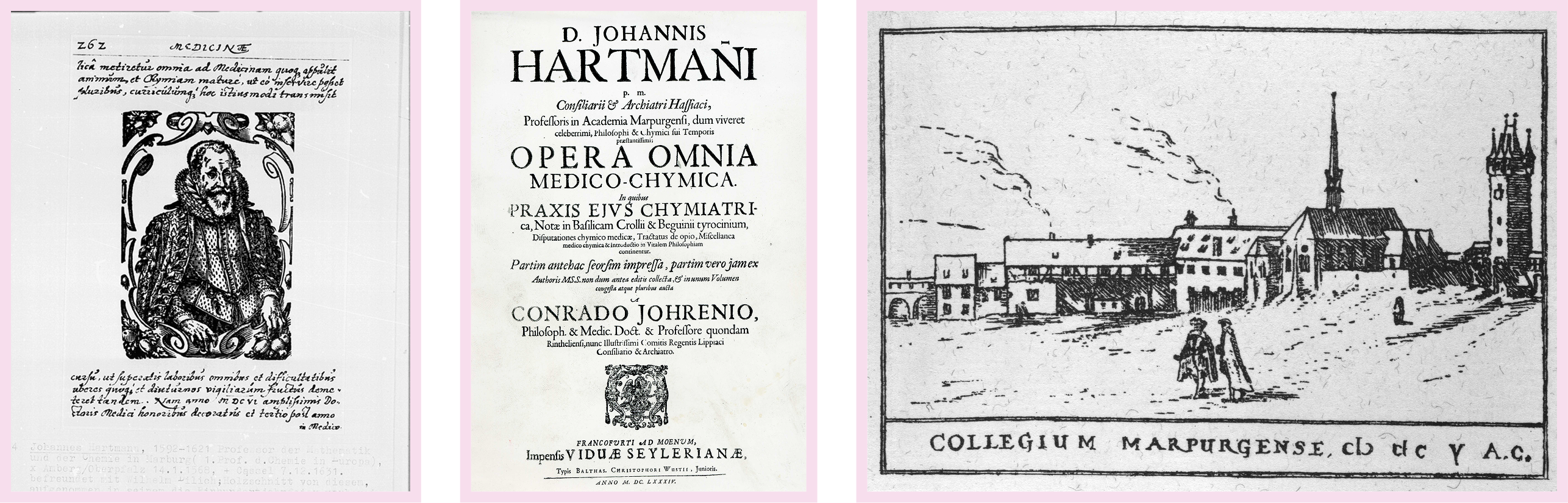
The world's first professorship in chemiatria
The cradle of university chemistry lies in Marburg: in 1609 Landgrave Maurice of Hesse-Kassel appoints the chemist Johannes Hartmann (1568-1631) as the world's first professor of chemiatria (medical chemistry).



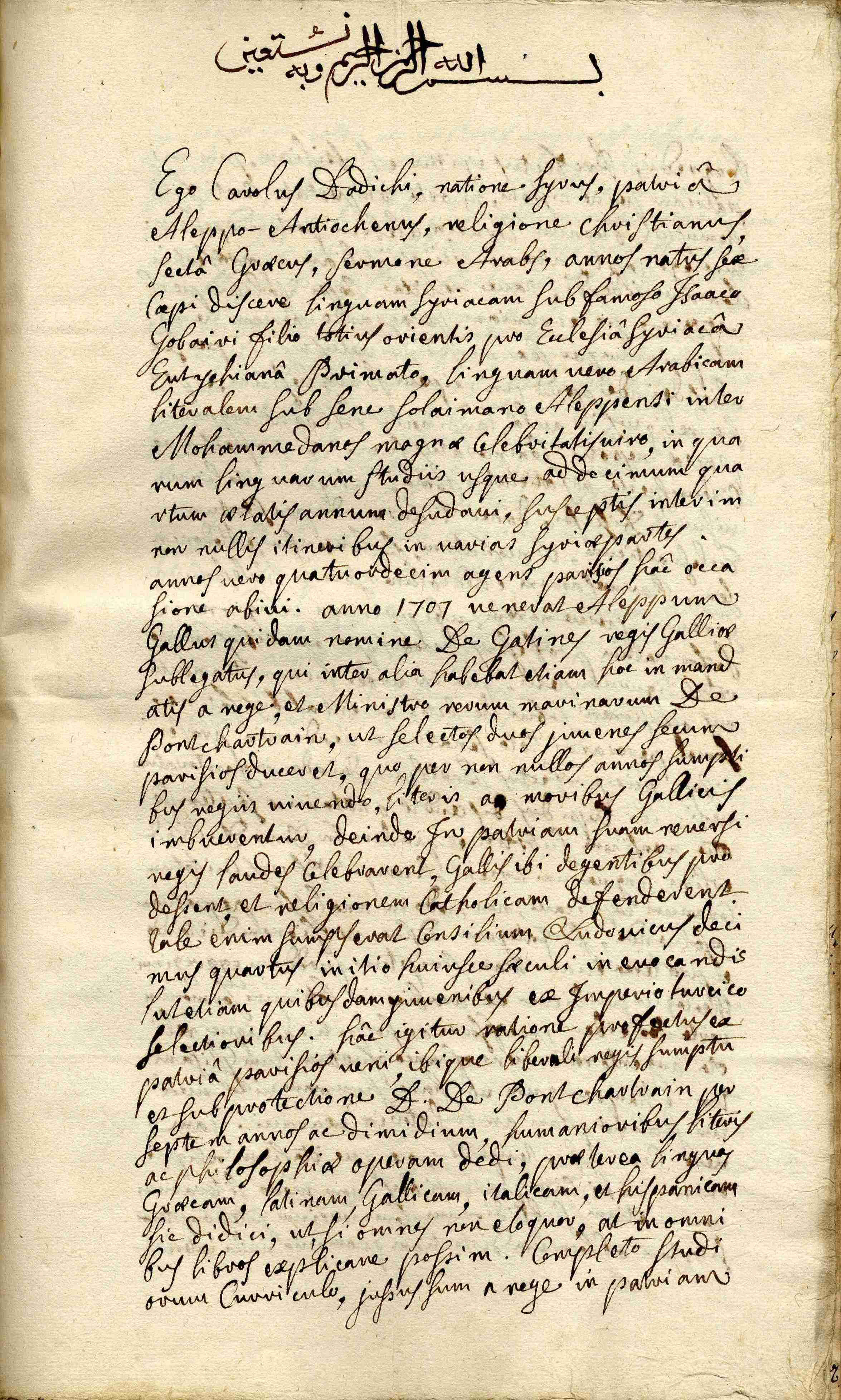
Syrian student Karl Dadichi in Marburg
International students have studied at Marburg University since its founding. In 1718 the first Syrian student known to us enrolled: Karl Dadichi, an orientalist and interpreter at the court of the Kingdom of Great Britain.
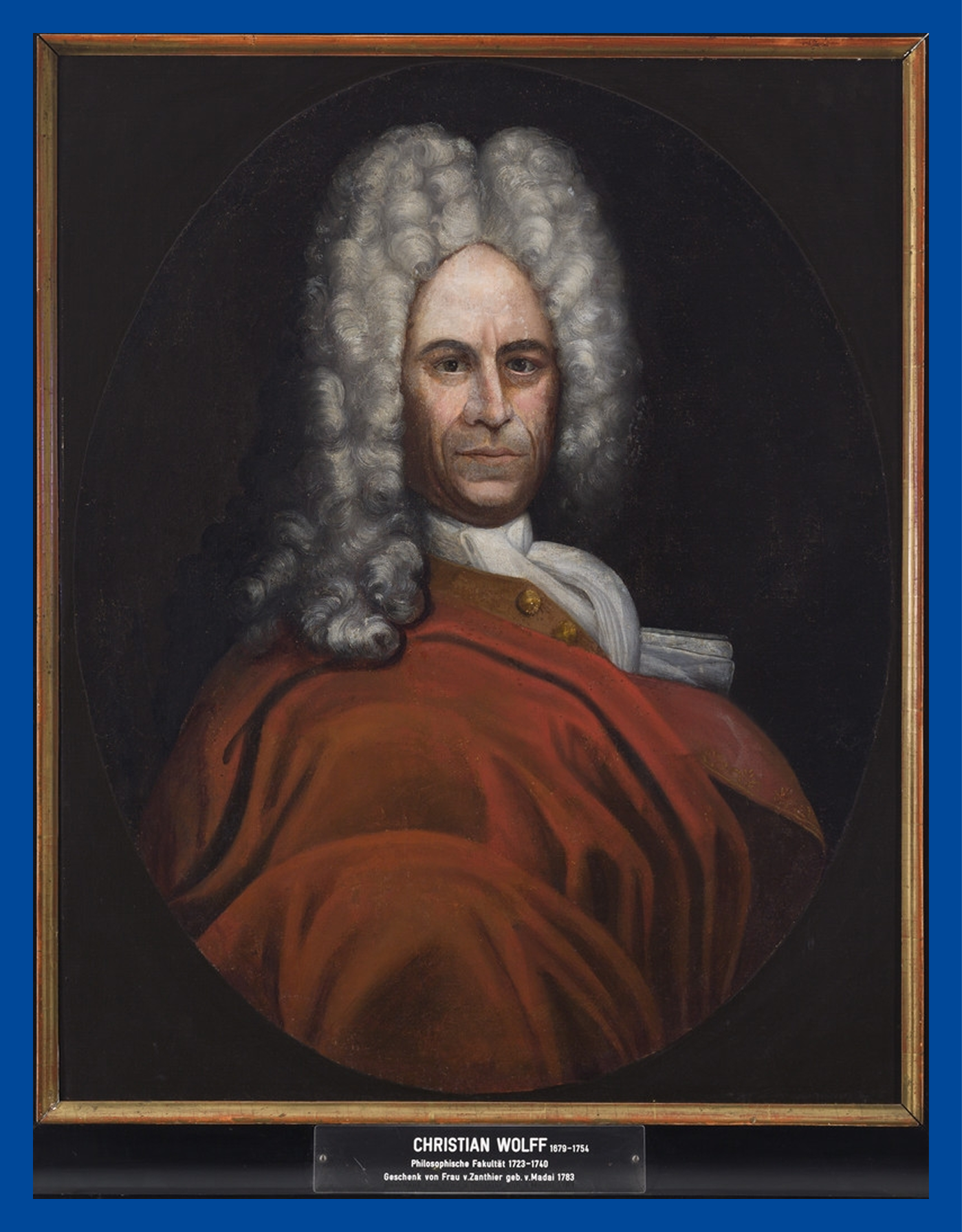
Christian Wolff appointed professor of mathematics and philosophy
Wolff taught at Marburg University from 1723 to 1740 and was, alongside G. W. Leibniz, the most important philosopher of the early German Enlightenment. He gave philosophy a profile grounded in science and reason that carried on into Neo-Kantianism and still shapes how the discipline sees itself in Marburg today.
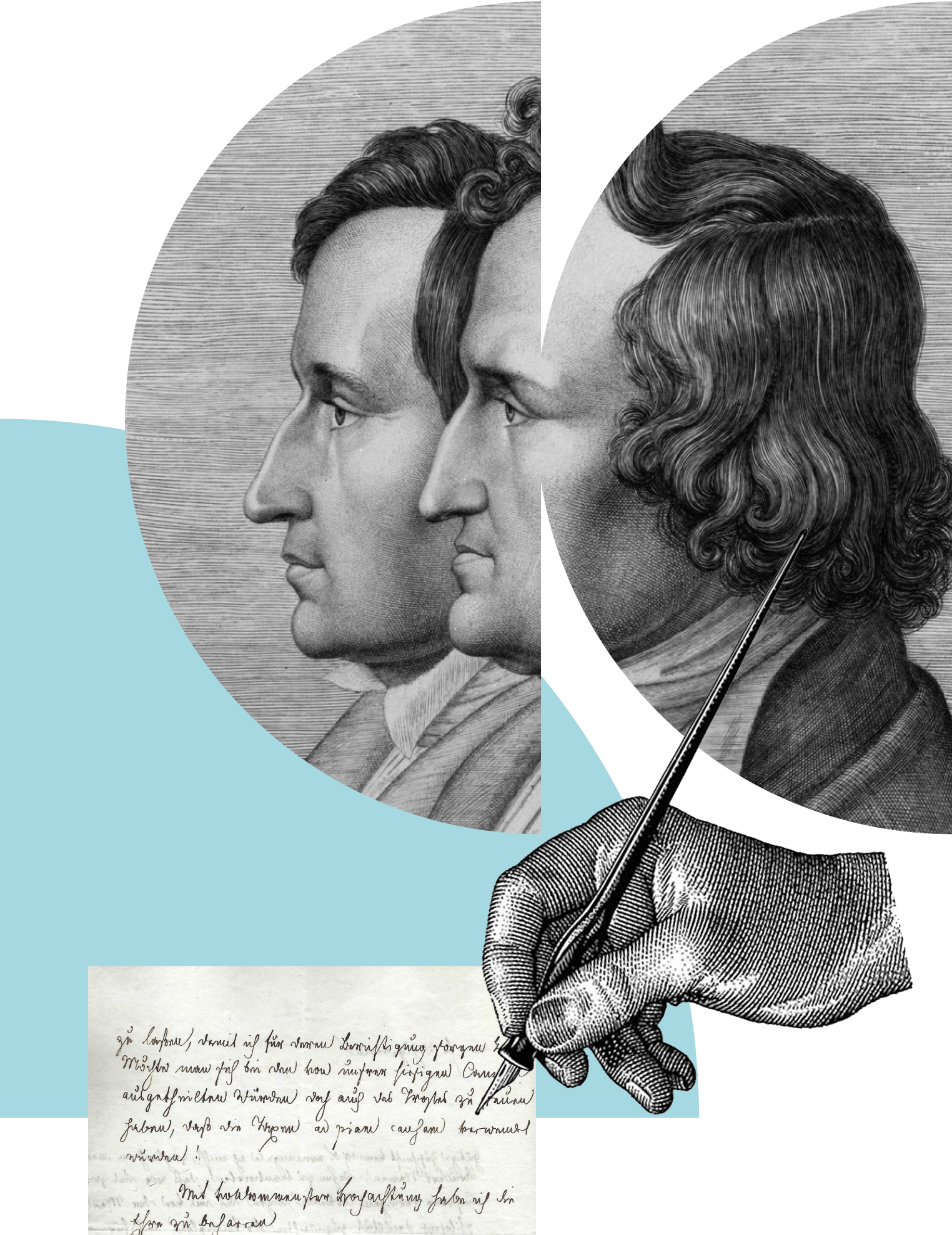
Enrolment of the Brothers Grimm
The Brothers Grimm's years of study in Marburg became the starting point for a way of thinking that links scholarship, collecting and the passing on of knowledge across generations.

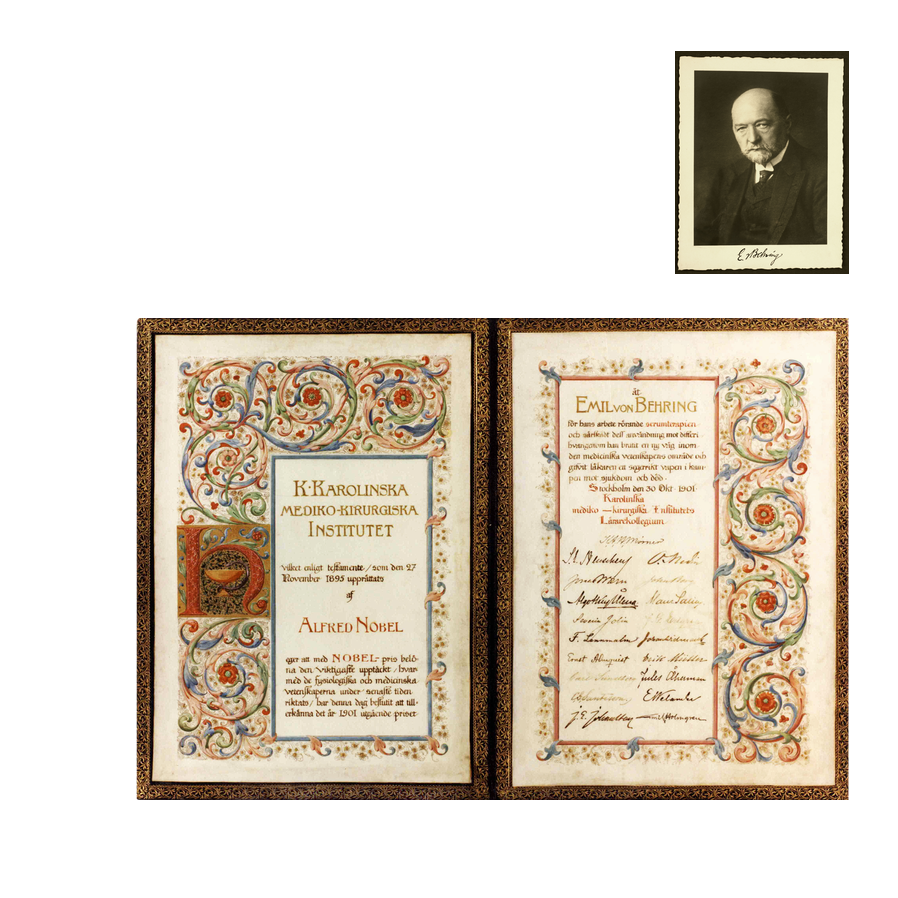
First Nobel Prize in Medicine awarded to Emil von Behring
Bacteriologist Emil von Behring (1854–1917) received the very first Nobel Prize in Medicine for his research on serum therapy for diphtheria.
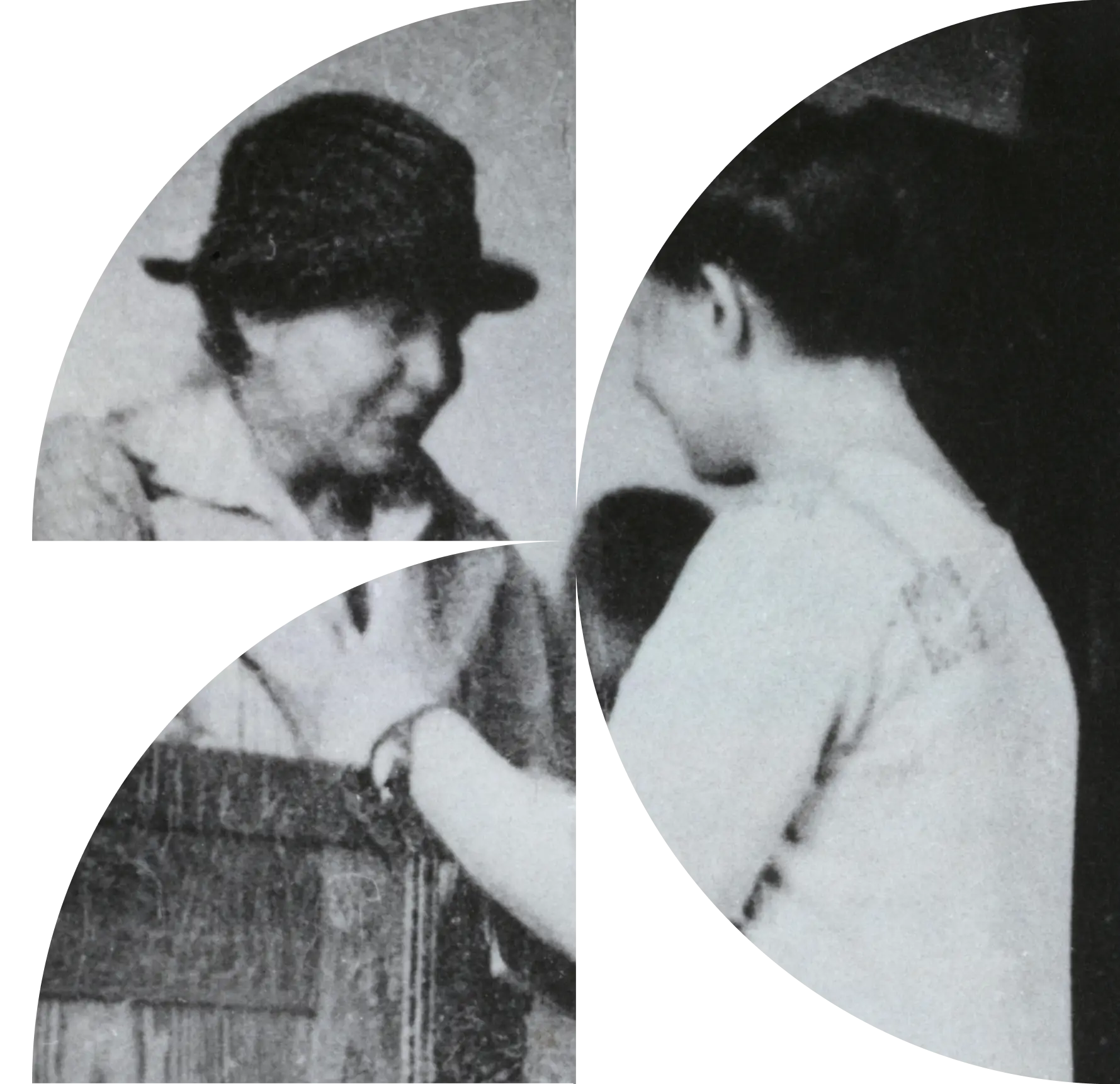
Alix Westerkamp is the first woman to earn a doctorate in law in Germany
Alix Westerkamp is one of the great pioneers and trailblazers for women in academia. Her doctorate was completed successfully in 1907, making her the first woman to gain a doctorate in law at a German university and only the second woman to gain a doctorate at Marburg University.

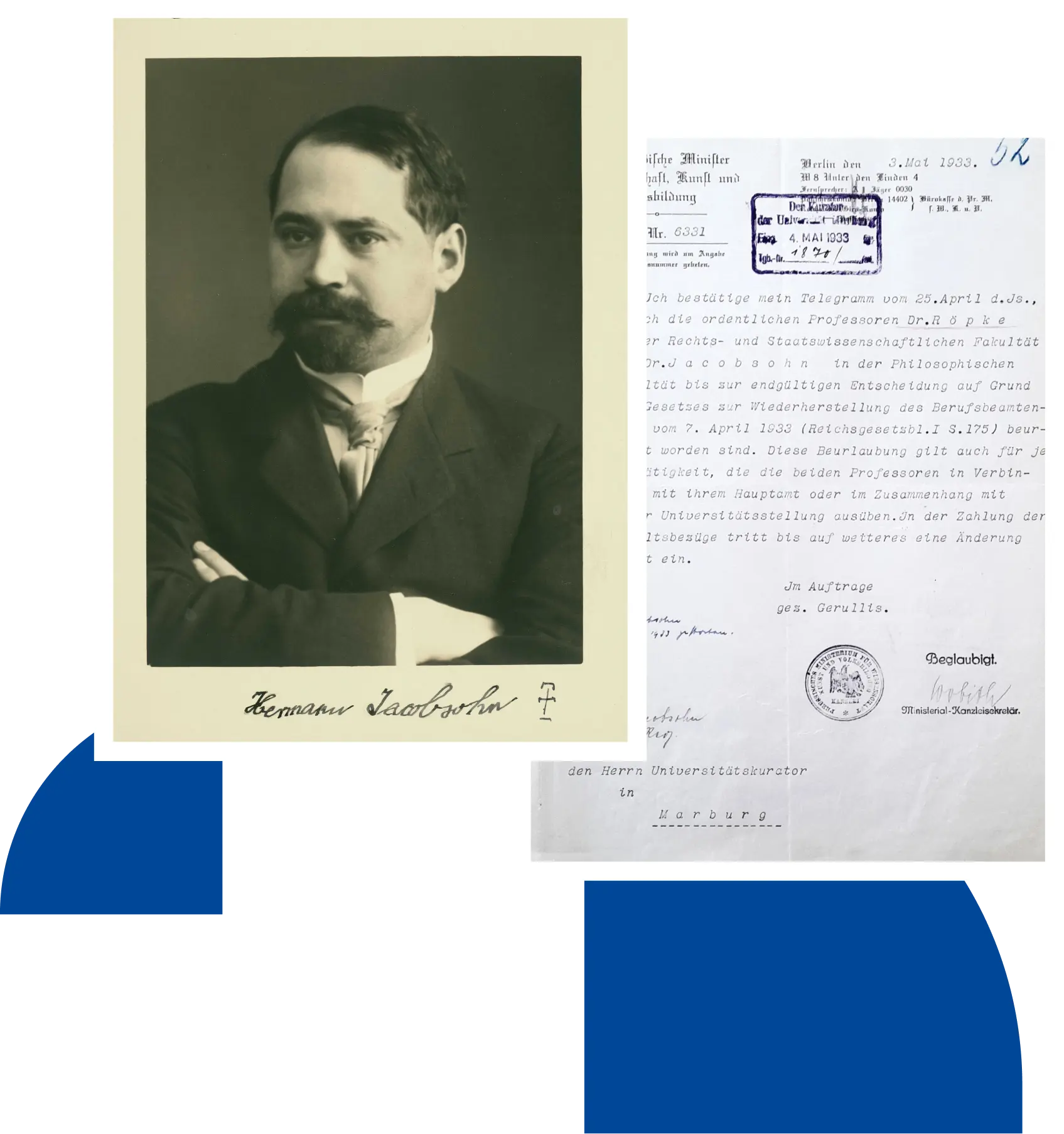
Hermann Jacobsohn: dismissal and suicide
On 25 April 1933 the classical philologist and head of the German Language Atlas, Hermann Jacobsohn, was dismissed under the provisions of the 'Law for the Restoration of the Professional Civil Service'. Because Jacobsohn had entered the civil service before 1914, he could not formally be suspended as a Jew; instead he lost his post on political grounds, as a member of the German Democratic Party (DDP). In the days after his dismissal, Jacobsohn took his own life.
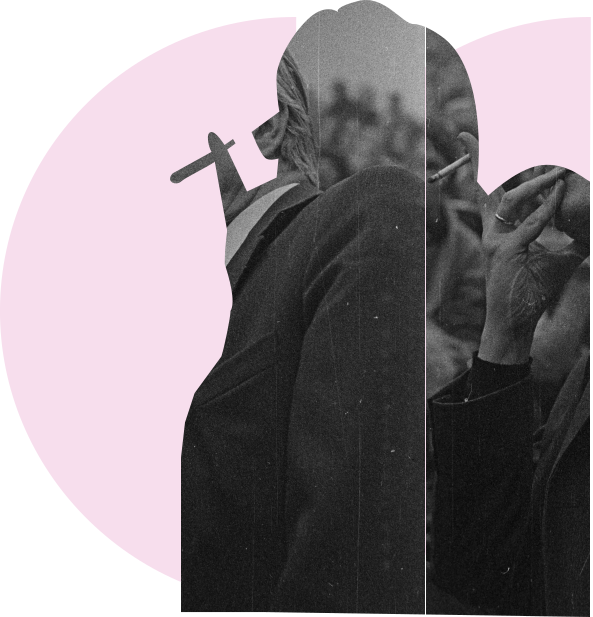
© Hessischer Rundfunk – www.hr.de
Appointment of Wolfgang Abendroth
Analysing, defending and developing democracy. Leading thinkers such as the political scientist Wolfgang Abendroth shape the university as a place of debate and social impact. In a tradition of change and of active shaping, the university brings different perspectives together and takes on its responsibility in a democratic society.
Elisabeth Blochmann becomes professor of education
When Elisabeth Blochmann (1892-1972) was appointed full professor of education at Marburg University in 1952, she made German academic history. Education had first been taught in Marburg by the philosopher Paul Natorp (from 1893) and later by psychologists; with Blochmann it became a discipline in its own right. She was the first woman in Germany to hold a full professorship in education, and the first woman to hold a full chair at Marburg University.

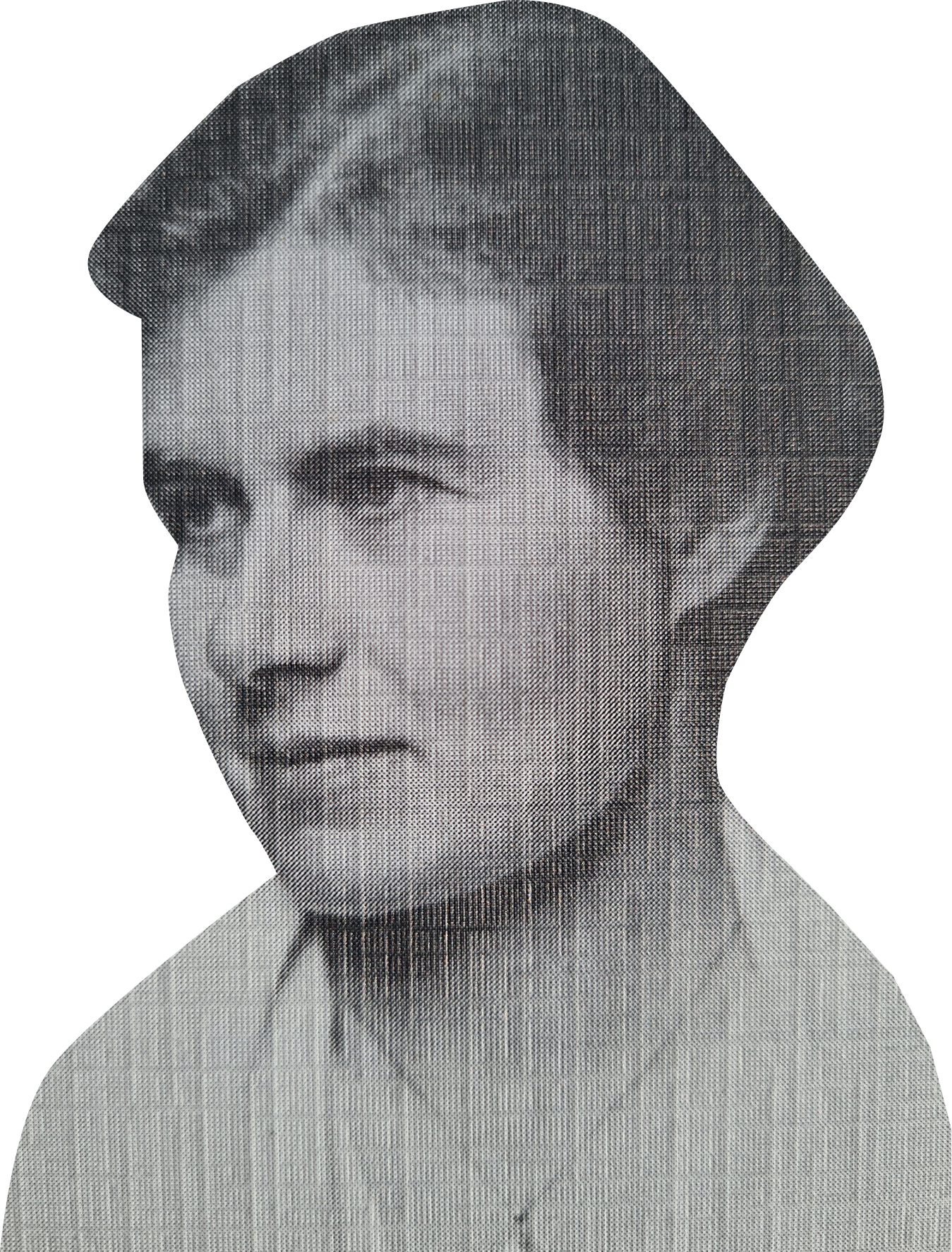
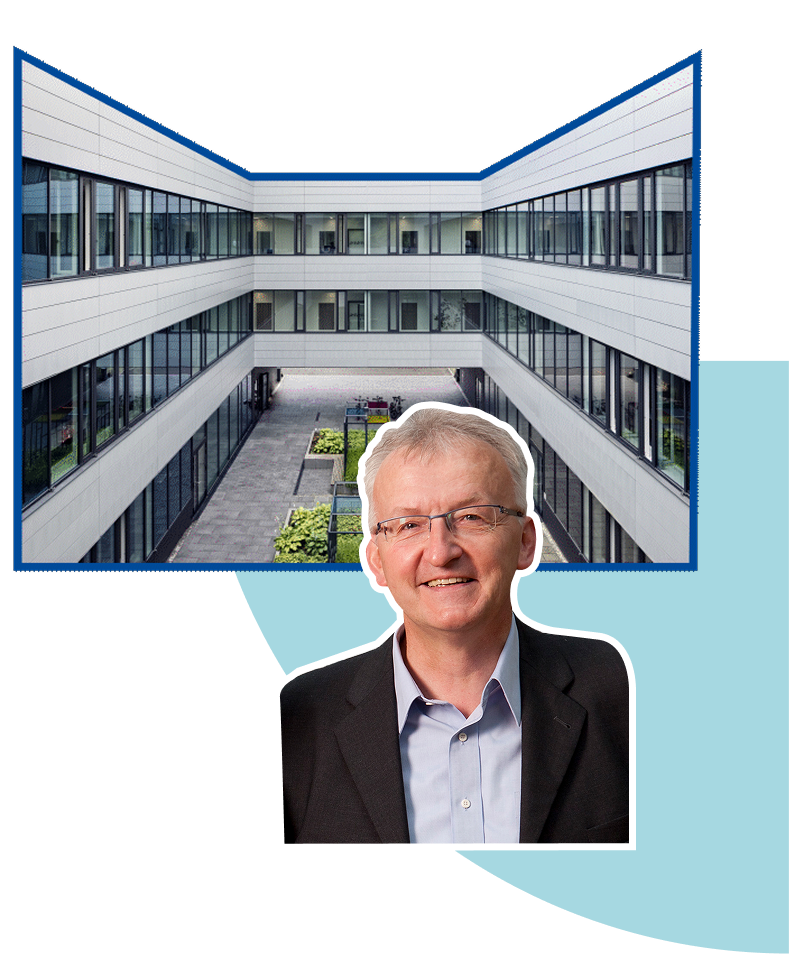
Bruno Eckhardt founds SYNMIKRO
Philipps University Marburg looks ahead to 2027 and beyond: as a place of research, teaching, and social responsibility, it is preparing for the next chapter in its history – together with society, partners, and generations of students.
The future of Marburg University
Join us in shaping the future of Philipps University and share your visions with us.